
autor: Gayle Towell
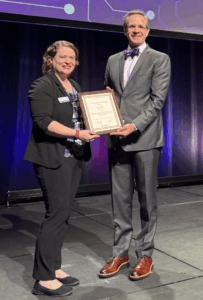
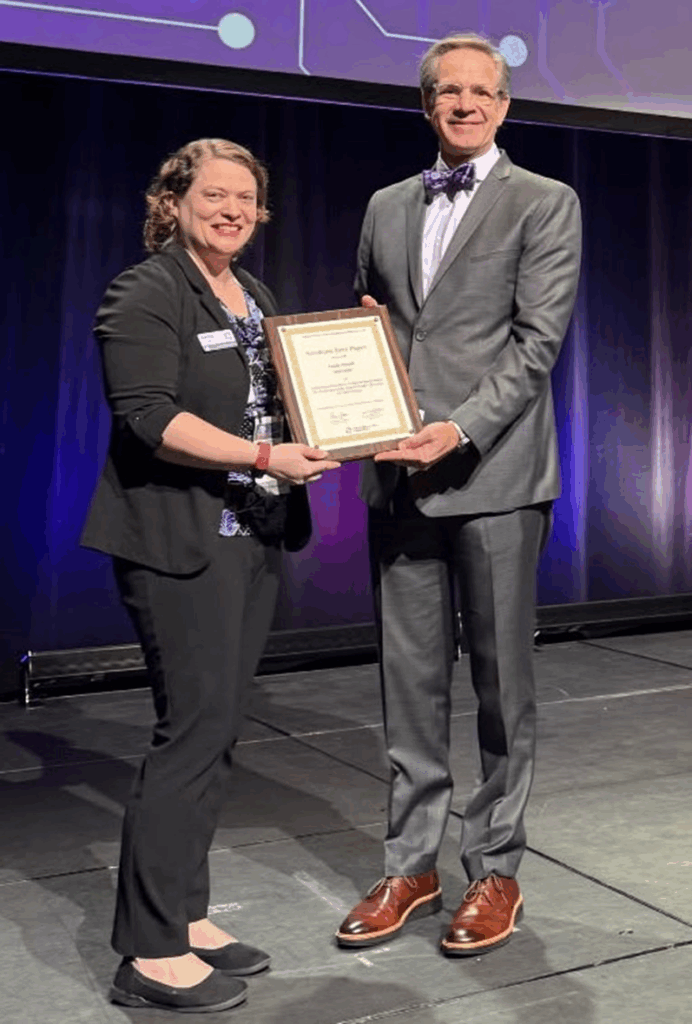
Z dumą informuję, że mój najnowszy artykuł techniczny przedstawiony podczas konferencji APEX EXPO, zatytułowany “Nowe spojrzenie na współczynnik powierzchniowy: model oparty na zasadach fizyki służący do przewidywania wydajności przenoszenia pasty lutowniczej w przypadku cienkich szablonów”, otrzymał nagrodę NextGen Best Paper Award. Ponadto jestem wdzięczny organizacji AIM za wsparcie, zachętę i swobodę w zgłębianiu zagadnień technicznych, które doprowadziły do powstania tej pracy.
Wykorzystanie wiedzy z fizyki w lutowaniu
Nagroda ta jest wyrazem uznania dla najlepszej pracy naukowej autorstwa specjalistów z branży nowej generacji, posiadających mniej niż pięć lat doświadczenia. Wielu ludzi jest tym zaskoczonych, ale ja działam w tej branży dopiero od trzech lat. Nie zacząłem jednak pracy zaraz po ukończeniu studiów.
Mam wykształcenie matematyczno-fizyczne i przez wiele lat zajmowałem się nauczaniem studentów oraz prowadzeniem laboratoriów fizycznych, zanim przeszedłem do pisania tekstów technicznych, a następnie rozpocząłem pracę w firmie AIM. Muszę przyznać, że znalazłem swoje miejsce w świecie lutowania w branży produkcji elektronicznej. W końcu dziedzina ta jest pełna podstawowych zagadnień naukowych: mechaniki, dynamiki płynów, termodynamiki, zachowania materiałów i wielu innych. Jest też pełna rzeczywistych zmiennych produkcyjnych, które sprawiają, że te podstawy stają się skomplikowane, interesujące i użyteczne.
Artykuł ten powstał na styku podstawowych zasad i praktyki produkcyjnej: znanego wyzwania związanego z drukowaniem, pytania, o którym nie mogłem przestać myśleć, oraz dokładniejszej analizy fizyki leżącej u jego podstaw.
Zauważenie wymagające wyjaśnienia
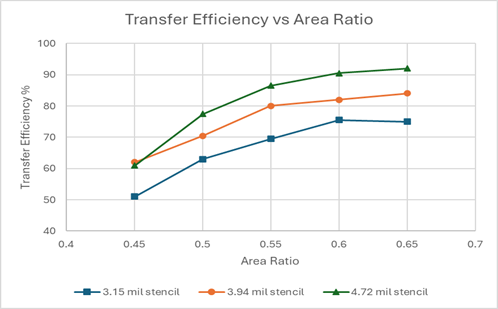
W zastosowaniach związanych z drukiem ultraprecyzyjnym wiele osób zauważyło, że cienkie szablony wydają się wymagać większych limitów współczynnika powierzchniowego niż sugerowałyby to konwencjonalne wytyczne. Znana wartość progowa 0,60 nie jest wystarczająca. Zwłaszcza w przypadku szablonów o grubości rzędu 1–2 mil konieczne jest zastosowanie wyższej wartości, aby zapewnić niezawodne przenoszenie pasty.
Warto o tym wiedzieć, ale denerwowało mnie, że nie potrafiłem tego w pełni wyjaśnić dlaczego.
Moim odruchem było powrócić do podstaw samego modelu współczynnika powierzchniowego. Współczynnik powierzchniowy wywodzi się z równowagi sił: siły przyciągającej pastę lutowniczą do płytki w porównaniu z siłą utrzymującą ją wewnątrz otworu szablonu. Tradycyjnie model ten uwzględnia przyczepność między pastą a płytką oraz przyczepność między pastą a ściankami szablonu. Jednak kiedy przyjrzałem się diagramowi sił, zauważyłem, że czegoś w nim brakuje.
Siła grawitacji.
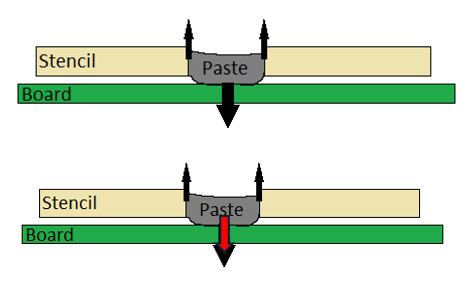
Grawitacja!
Grawitacja może wydawać się mało istotnym czynnikiem w druku szablonowym, ale krótki eksperyment myślowy pozwala spojrzeć na sprawę z odpowiedniej perspektywy: załóżmy, że proces drukowania odbywałby się do góry nogami. Czy spodziewałbyś się takich samych rezultatów? Nie. Dlaczego? Z powodu grawitacji.
Kiedy wszystkie szablony miały podobną grubość, łatwo było to przeoczyć. Jednak siły adhezyjne są proporcjonalne do powierzchni. Siła grawitacyjna jest proporcjonalna do objętości. Zatem gdy szablony stają się cieńsze, pojawia się rozbieżność. A gdy w modelu uwzględni się grawitację, ta rozbieżność zaczyna nabierać sensu: cieńsze szablony wymagają większych współczynników powierzchniowych, ponieważ grawitacja w mniejszym stopniu wspomaga uwalnianie pasty.
Pojawia się nowy model
Na tej podstawie opracowałem zmodyfikowaną zależność siłową, która uwzględnia siłę grawitacyjną w tradycyjnym modelu stosunku powierzchni. Wynikiem tego jest granica stosunku powierzchni zależna od grubości szablonu, a nie jedna uniwersalna wartość progowa. W artykule zastosowałem ten model do istniejących, opublikowanych danych i stwierdziłem, że jest on zgodny z zaobserwowanymi trendami wydajności transferu dla różnych grubości szablonów, rodzajów past, konstrukcji otworów i powłok szablonów.
Ta część była szczególnie ekscytująca. Nie było to tylko ciekawe ćwiczenie teoretyczne. Wyjaśniało to zjawisko, które praktycy już wcześniej zaobserwowali, i dostarczało ramy, które w przyszłości mogłyby posłużyć jako podstawa do opracowania bardziej precyzyjnych wytycznych dotyczących projektowania szablonów do ultraprecyzyjnego drukowania pasty lutowniczej.
Od ciekawości do praktycznych wskazówek
Fakt, że praca ta zdobyła nagrodę, stanowił znaczące uznanie jej potencjalnej wartości dla branży. Przede wszystkim jednak postrzegam ten artykuł jako przypomnienie, że nawet dobrze znane wyzwania związane z produkcją mogą zyskać na świeżym spojrzeniu na leżącą u ich podstaw naukę.
Drukowanie pasty lutowniczej nie jest niczym nowym. Współczynnik powierzchniowy również nie jest niczym nowym. Jednak zadając podstawowe pytanie z zakresu fizyki i dokładnie je analizując, wciąż możemy znaleźć możliwości pogłębienia wiedzy, udoskonalenia najlepszych praktyk oraz wniesienia czegoś pożytecznego do branży.
Jestem wdzięczny, że pracuję w firmie, która wspiera ciekawość techniczną i daje mi przestrzeń do rozwoju. Dla mnie ten projekt jest doskonałym przykładem tego, jak nauka podstawowa, praktyczne doświadczenie w produkcji i odrobina swobody intelektualnej mogą połączyć się, by stworzyć coś użytecznego.
Referencje
Härter, S., Niemann, J., Franke, J., Schake, J. i Whitmore, M. (2016). Wpływ kształtu powierzchni i współczynnika powierzchniowego na wydajność drukowania pasty lutowniczej. Materiały konferencyjne SMTA International, 25–29 września 2016 r., Rosemont, Illinois, USA.