
Estudio sobre cómo la aleación, la aplicación y la experiencia del operador influyen en el desempeño del alambre de soldadura
por Gayle Towell
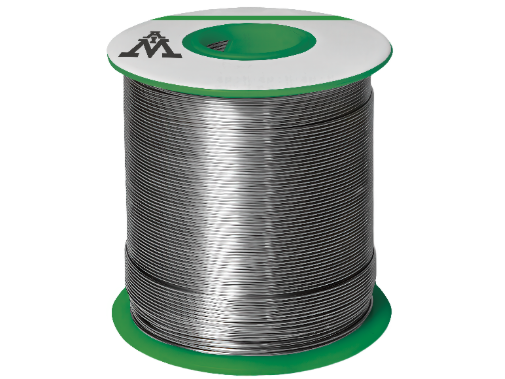
En muchas plantas de producción, los operadores usan cualquier carrete de alambre de soldadura se proporciona, a menudo con poca información sobre cómo su aleación, el diámetro o el comportamiento al fundirse pueden afectar la tarea. Sin embargo, los hilos de soldadura no son intercambiables, y las diferencias pueden tener consecuencias que los operadores puedan percibir, incluso cuando no puedan identificar de inmediato la causa.
Una pregunta reciente de un cliente nos brindó la oportunidad de analizar esta variabilidad más a fondo. A través de nuestro programa de Investigación Aplicada a la Industria, colaboramos con EPTAC y al experto en soldadura Leo Lambert para estudiar cómo se comportan las diferentes aleaciones de soldadura en forma de alambre y cómo la experiencia del operador puede influir en la percepción de su desempeño.
Una pregunta práctica desde la planta de producción
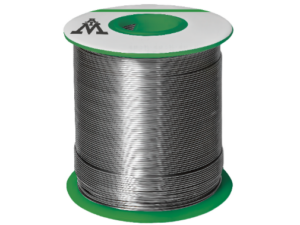
La investigación surgió a raíz de una observación práctica de uno de los ingenieros de soporte técnico de AIM. Basándose tanto en los comentarios de los clientes como en su propia experiencia durante una demostración técnica, uno Alambre de soldadura con núcleo CX18 parecía derretirse más rápido y con mayor facilidad que otro cuando se probó con el mismo soldador y los mismos ajustes de temperatura.
Esta observación planteó varias preguntas. ¿La diferencia aparente se debía principalmente al comportamiento de fusión inherente de las aleaciones? ¿Seguiría siendo perceptible durante la formación real de la unión, en lugar de solo al alimentar el alambre directamente a la punta del soldador? ¿Un operador experimentado y un principiante percibirían la diferencia de la misma manera? ¿Y cambiaría el resultado entre aplicaciones de orificio pasante y de montaje en superficie?
En lugar de sacar conclusiones a partir de una sola comparación, utilizamos esa observación como punto de partida para una evaluación a ciegas más amplia, diseñada para analizar cómo interactúan la aleación, la aplicación y la experiencia del operador.
Colaboración con EPTAC y diseño de un experimento
Para analizar estas cuestiones, AIM se asoció con EPTAC, una entidad líder reconocida internacionalmente en capacitación en soldadura y certificación IPC.
Desde hace más de 35 años, EPTAC ha ayudado a los fabricantes de productos electrónicos a mejorar la calidad de la mano de obra, la productividad y el conocimiento de los procesos mediante capacitación impartida en 24 sedes de América del Norte, en línea y en las instalaciones de los clientes.
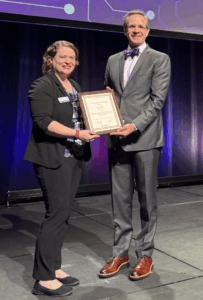
La evaluación se llevó a cabo en coordinación con Leo Lambert, vicepresidente y director técnico de EPTAC. Leo ha contribuido al sector de la fabricación de productos electrónicos durante más de tres décadas y es autor de Soldadura para ensamblajes electrónicos. Sus contribuciones le han valido distinciones como el Premio del Salón de la Fama Raymond E. Pritchard del IPC y el Premio del Presidente del IPC.
En otras palabras, Leo sabe lo que hace.
La evaluación a ciegas comparó tres aleaciones de soldadura sin plomo, todas ellas producidas en forma de alambre con núcleo utilizando la fórmula química del fundente CX18 de AIM. El hecho de mantener el mismo sistema de fundente ayudó a centrar la comparación en las diferencias relacionadas con las aleaciones.
Cada aleación se probó con dos diámetros de alambre. Los alambres más gruesos se utilizaron en ensamblajes con orificios pasantes, mientras que los más delgados se utilizaron para la soldadura de montaje en superficie.
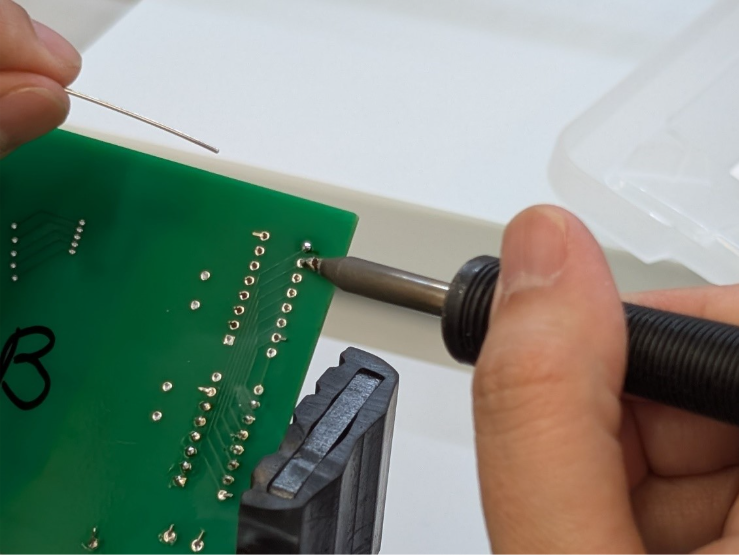
Participaron dos personas: Leo, como experto, y un principiante que había realizado proyectos personales de soldadura, pero que no tenía experiencia en la fabricación de componentes electrónicos.
Esta comparación fue importante porque el desempeño del alambre de soldadura puede depender en gran medida del usuario. Un alambre que a un experto le parezca rápido y eficiente puede resultar difícil de controlar para alguien que aún está desarrollando su técnica. Un material que un principiante considere predecible puede parecer innecesariamente lento para un operador con experiencia.
¿Qué hace que un alambre de soldadura sea “fácil de usar”?
Algunas de las observaciones preliminares más interesantes surgieron de las clasificaciones de los participantes.
Para cada tipo de ensamblaje, tanto el experto como el principiante coincidieron en cuál era la aleación más fácil de usar. Sin embargo, no se pusieron de acuerdo respecto al segundo y tercer lugar. El experto le dio mayor importancia a la velocidad. Una aleación que se derritiera rápidamente y permitiera completar la unión de manera eficiente se adaptaba a su flujo de trabajo habitual. El principiante hizo hincapié en la previsibilidad. Un alambre era más fácil de usar cuando su comportamiento de fusión y fluidez se sentía consistente y le daba al operador confianza para determinar cuándo la unión estaba completa.
Ninguna de las dos perspectivas está equivocada. Reflejan necesidades de producción diferentes.
Los operadores con experiencia pueden dar prioridad al rendimiento, mientras que los operadores más novatos pueden beneficiarse de materiales que ofrezcan mayor control y consistencia. El resultado también ilustra por qué evaluar un alambre de soldadura únicamente con usuarios expertos podría no revelar cómo se desempeñará entre todo el personal de producción.
Diferentes aplicaciones, diferentes preferencias
La aleación preferida también varió entre las evaluaciones de montaje por orificios pasantes y de montaje superficial (SMT).
Es probable que esto se deba a las diferencias en la masa térmica y el volumen de soldadura. Las uniones de orificio pasante suelen requerir más soldadura y pueden exigir una mayor transferencia de calor, mientras que muchas uniones SMT implican volúmenes más pequeños y cargas térmicas más bajas.
Dado que las aleaciones tienen diferentes temperaturas de fusión y sus comportamientos de fusión, la aplicación puede modificar significativamente la sensación que cada una de ellas le da al operador. El resultado sugiere que tal vez no exista una aleación que sea universalmente la más fácil de soldar a mano. La mejor opción puede depender del ensamblaje, la exigencia térmica, el diámetro del alambre y el operador.
Correlación entre la experiencia del usuario y las propiedades de las aleaciones
La evaluación práctica fue solo una parte del proyecto.
Estamos recopilando observaciones de los participantes relacionadas con la fusión, la humectación, el flujo, la velocidad, la previsibilidad y la facilidad de uso. Las aleaciones también se están evaluando mediante pruebas de estañado de alambre y videos a cámara lenta de segmentos de alambre de longitud fija en proceso de fusión.
Estas observaciones se compararán con los datos de calorimetría diferencial de barrido y con las mediciones de la energía térmica total necesaria para derretir por completo cada aleación.
Esto es importante porque la temperatura del líquidous por sí sola tal vez no explique cómo se comporta un alambre de soldadura en el taller. Dos aleaciones Los alambres con temperaturas de fusión similares pueden requerir diferentes cantidades de energía para fundirse por completo, y la forma de la transición de fusión puede afectar la rapidez y la previsibilidad con la que responde el alambre.
Al combinar los comentarios de los operadores con los datos visuales y térmicos, esperamos poder explicar mejor por qué las aleaciones se percibieron de manera diferente.
El objetivo final: orientación útil para la industria
Aunque el análisis aún está en curso y los resultados que aquí se analizan siguen siendo preliminares, el objetivo del proyecto no es simplemente clasificar tres aleaciones. Una clasificación sin contexto tiene un valor limitado.
En cambio, nuestro objetivo es aclarar las ventajas y las limitaciones de cada aleación en diferentes condiciones y desarrollar mejores pautas sobre la selección de aleaciones, el diámetro del alambre, los requisitos térmicos, la configuración del equipo y la capacitación de los operadores.
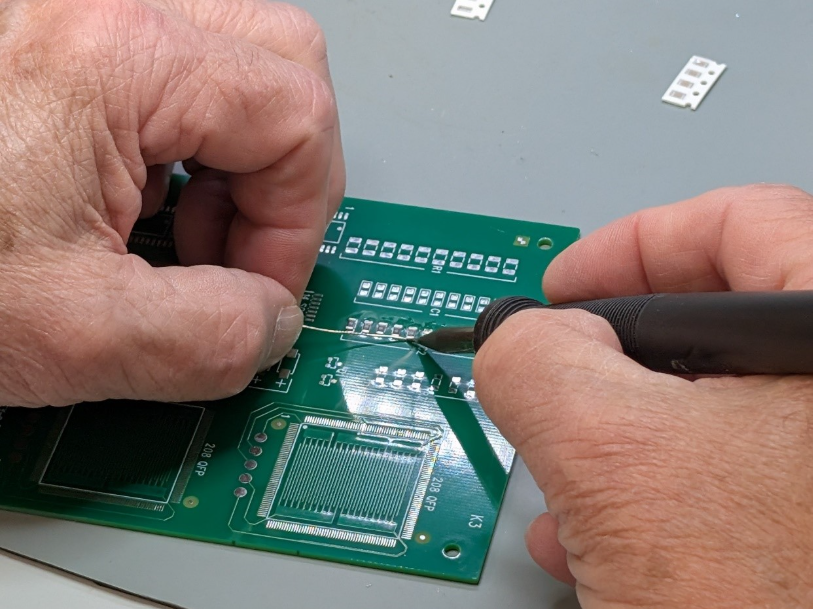
Cuando se dice que un alambre es lento o difícil de manejar, la solución tal vez no sea tan sencilla como cambiar de producto. Es posible que la planta deba evaluar si la aleación es adecuada para el ensamblaje, si llega suficiente calor a la unión, si el diámetro del alambre se ajusta al volumen de soldadura requerido y si los operadores comprenden el comportamiento de fusión del material.
La filosofía “Solder + Support” de AIM consiste en tomarnos el tiempo necesario para investigar esas preguntas, aprender de expertos reconocidos del sector y compartir lo que descubrimos. Agradecemos a EPTAC, a Leo Lambert y a nuestro voluntario «principiante» por su participación.
El estudio completo se presentará en SMTA International este mes de octubre. ¡Mantente al tanto, ya que seguimos trabajando para convertir una pregunta de un cliente en una guía práctica para la industria de la fabricación de productos electrónicos!
¿Buscas más información técnica? Haz clic aquí.